 Customer Portal
 888-701-5380

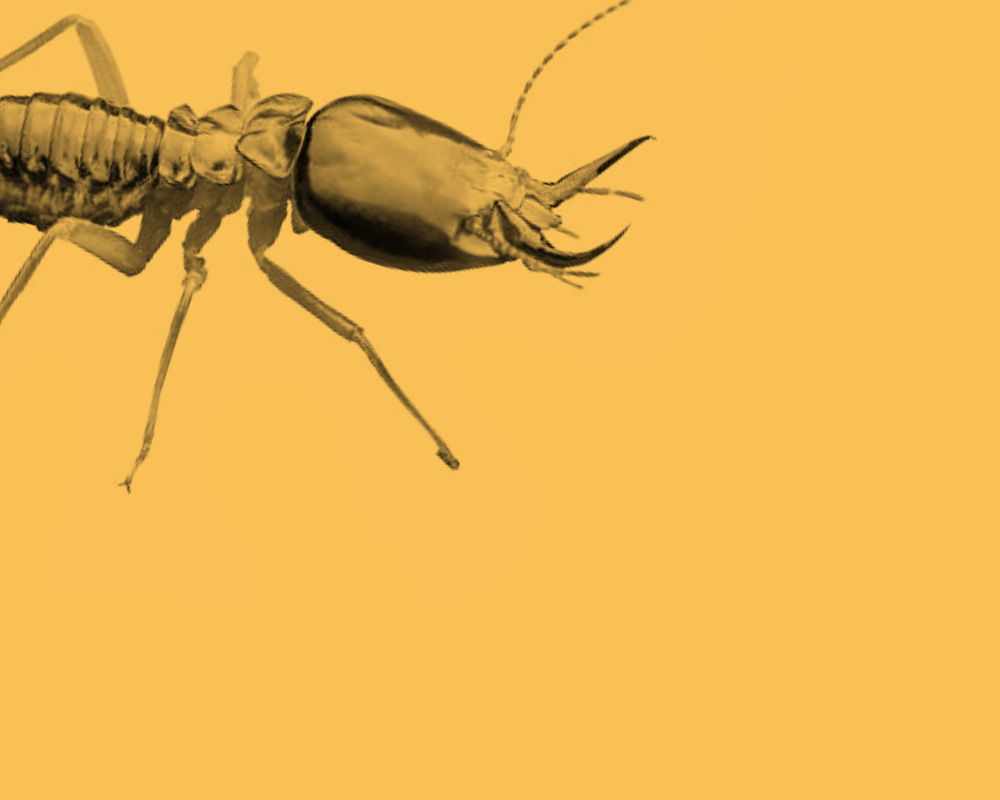
Termite Control in
Huntsville, AL
Year-Round Termite Defense in Huntsville
The Rocket City’s warm, humid climate is a big reason termites cause so much trouble here. Winters here rarely stay cold long enough to slow a subterranean colony down, and the damp soil of the Tennessee Valley gives them steady conditions to grow. Established neighborhoods and brand-new subdivisions face the same pressure.
Our University Square office treats termites as a year-round concern rather than a spring project. Inspections and treatment can stand alone or fit into a broader Huntsville home protection plan.
Finding Termites Before the Damage Shows
Termite damage is rarely visible until it’s advanced. Colonies tunnel through framing, subfloors, and wall studs, and many go unnoticed for years. Since homeowners insurance typically won’t cover termite damage, repairs come out of the owner’s pocket. A colony can work through structural wood for a long time before floors sag or paint bubbles.
Every termite control inspection covers the crawl space, foundation, and framing, including the narrow earthen tunnels termites build to travel above ground and any spots where wood stays damp.
Swarm season is usually the first sign homeowners notice. Winged termites appearing indoors, or wings scattered on sills, typically point to a mature colony nearby. The swarmers don’t eat wood themselves, but the colony they came from has likely been feeding for some time. A scatter of wings on a spring windowsill deserves a phone call, not just a vacuum.
Homes near Monte Sano and other wooded parts of Huntsville have a little more exposure, since stumps, fallen limbs, and buried wood scraps near the house give colonies an easy food source close to the foundation. Clearing that debris, keeping firewood stacked off the ground and away from walls, and making sure crawl space vents aren’t blocked all help. Your technician will point out anything around your property that’s working in termites’ favor.
The home’s construction decides the method, whether that’s a soil treatment around the foundation, in-ground bait stations, or a mix of the two, and monitoring continues after the work is done. Keep gutters draining away from the house and mulch pulled back from the siding to make the property less inviting. Homeowners who want a regular set of eyes on the property can add quarterly residential service to cover the exterior and interior between termite visits. If damaged wood turns up, technicians will also rule carpenter ants in or out, since their damage can look alike.
Because quiet damage is still damage
Termites won't sting you or raid your pantry. Instead, they spend their time eating the wood that holds your home together.
We help Huntsville homeowners stay ahead of them with inspections built for North Alabama's long termite season.
Put a termite inspection on the calendar by submitting your address in the request form.
Huntsville Termite FAQs
Why are termites such a problem in North Alabama?
Mild winters and moist soil let colonies feed for most of the year instead of slowing down for a long cold season. That gives them more time to cause damage between inspections.
What does a termite swarm look like?
Groups of small winged insects near windows, doors, or lights, usually in spring. Finding loose wings on sills afterward is just as telling.
Do swarmers damage wood?
No, but they signal that a mature colony is close by. The workers in that colony are the ones feeding on the structure.
Can termite damage be mistaken for something else?
Yes. Carpenter ant damage can look similar, so technicians identify which one is responsible before recommending treatment. A wrong guess means the wrong treatment, which is why identification comes first.
What's the difference between a liquid barrier and baiting?
A liquid barrier treats the soil around the foundation, while bait stations draw termites to a slow-acting material they carry back to the colony. Some homes benefit from both. Your technician will explain which fits the way your house is built before anything is installed.
How can I lower my home's termite risk?
Fix leaks, keep gutters draining away from the foundation, and pull mulch and firewood back from the siding. Termites need moisture and wood contact to thrive.
Do new subdivisions get termites too?
Yes. New construction sits on the same soil termites live in, so newer homes need inspections just like older ones. Fresh landscaping and irrigation put in after the build can keep the soil damp enough to attract colonies.
Do you use eco-friendly products?
Where possible, yes. Before anything is applied, your technician will tell you what it is and why it was chosen. You approve the plan first, and the technician will say when it's fine for kids and pets to use treated areas.
Affiliations and Partners
Comprehensive Pest Control Services